US Imposes Approximately 260% Trade Duties on Chinese Box Trailers
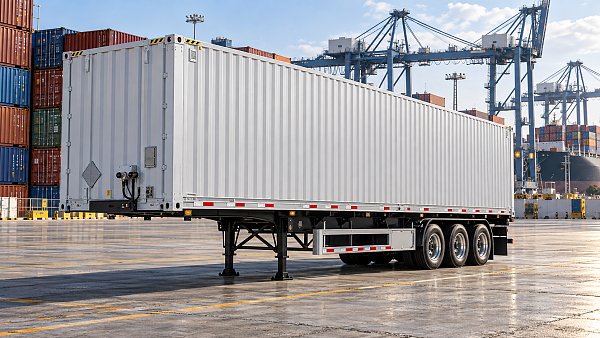
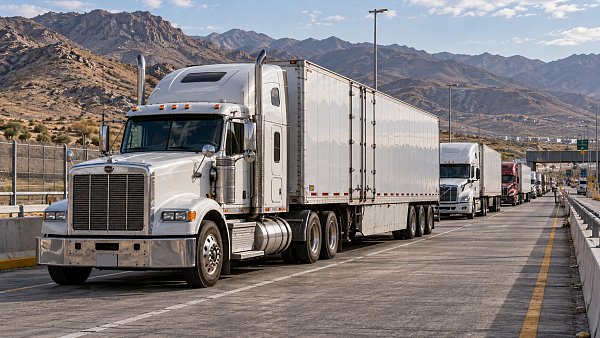
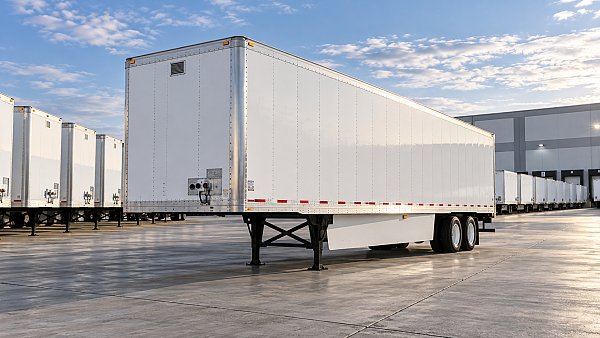
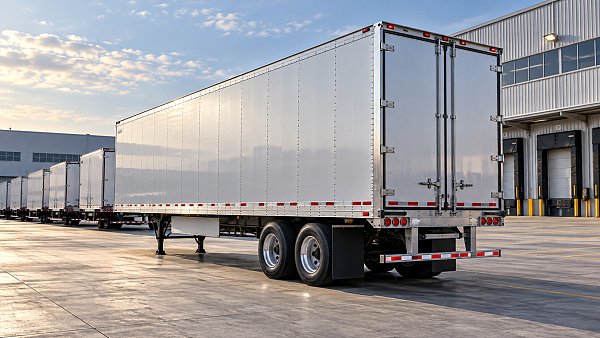
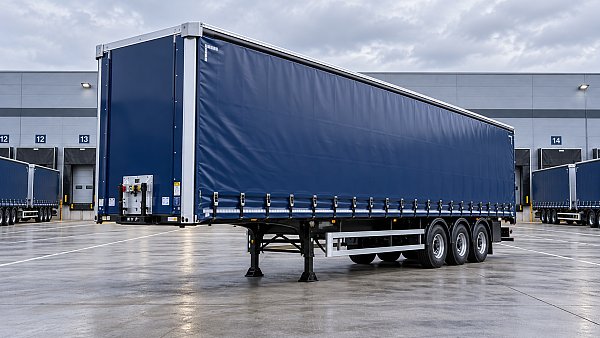
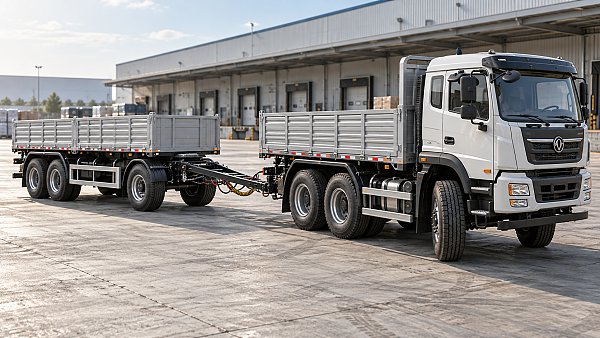
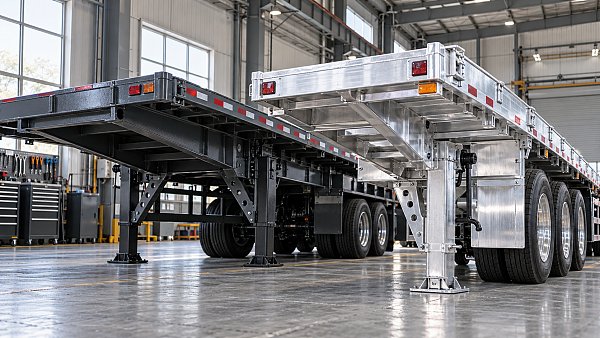
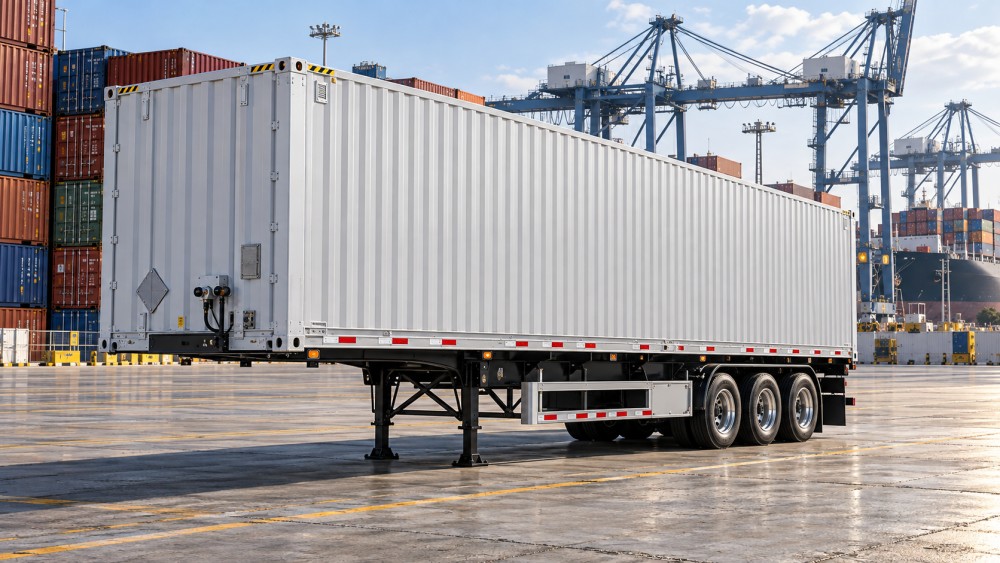
On October 28, 2026, the US Department of Commerce imposed approximately 260% in antidumping and countervailing duties on box trailers and subassemblies originating in China. The measure warrants attention from exporters, buyers and supply chain providers because it may affect landed costs, sourcing decisions and delivery planning in the North American trailer market.
Duties Follow Final Injury Vote
The duties took effect on October 28, 2026. Before their imposition, the US International Trade Commission approved a final injury determination, finding that the imports caused material injury to the domestic industry.
Where the Cost Pressure May Be Felt
Exporters and Trailer Manufacturers
For companies supplying products covered by the measure, analysis suggests that the duties may change the economics of sales to the United States. Exporters and manufacturers may need to review product descriptions, origin information and transaction documents to assess whether individual shipments fall within the applicable scope. The input does not specify the detailed product scope or how the approximate duty figure applies to individual transactions.
Buyers and Distribution Channels
Buyers and distributors may face higher landed costs for affected trailers or subassemblies. They may need to reassess quotations, purchase commitments and supplier options; however, the effect on any particular transaction will depend on details not provided in the input, including the applicable duty treatment and contractual terms.
Supply Chain and Delivery Providers
From a supply chain perspective, changes in sourcing or order volumes could affect shipment planning and delivery schedules. Providers may need clearer product and origin documentation from trading partners to support their assessment of affected shipments. The extent and timing of any disruption remain uncertain.
Checks Before Pricing and Shipment
Confirm Product Scope and Origin
Companies may wish to verify whether each trailer or subassembly is covered by the measure and review the records supporting its origin and product description. The supplied information does not establish detailed coverage criteria, exclusions or documentation requirements.
Recalculate Transaction Costs
Exporters and buyers can assess the potential duty exposure alongside existing quotations and contracts. The reported approximate rate should not be assumed to be the final charge for every shipment without checking the applicable official details and transaction circumstances.
Review Procurement and Delivery Plans
Buyers may consider evaluating alternative suppliers or products and confirming whether they meet their requirements. Businesses with pending orders can also review delivery schedules and contractual responsibilities; any changes would depend on commercial agreements and the practical application of the measure.
Monitor Implementation Details
Trade teams should continue to check official communications for the precise scope, applicable rates and other implementation details. Any subsequent clarification could affect how companies assess specific products and shipments.
A Measure in Force, With Execution Still to Watch
As an editorial assessment based on the supplied information, this is best understood as a duty measure reported to have taken effect, not merely a proposed rule. Its practical consequences remain an open question: product coverage, transaction-specific treatment and market responses require further verification before businesses can quantify their exposure.
What the Change Means for Planning
The reported duties create a clear reason for companies trading in Chinese-origin box trailers and subassemblies to review pricing, sourcing and shipment documentation. The likely scale of changes across the North American supply chain remains an assessment rather than a confirmed outcome, so decisions should be grounded in verified implementation details and individual contract terms.
Basis for This Report
This article is based on the user-provided news title, event date and summary. No specific official source link was provided in the input, and the underlying details require continued verification. Relevant sources may include official announcements and trade authority information. Further attention should be paid to implementation details, trade execution and feedback from affected businesses.
- Last One:No more articles
- Next Article:Mexico Truckers Agree to Federal Talks After Strike Across 19 States2026-10-28
Send us a message
Related News
 Box SemitrailersUS Imposes Approximately 260% Trade Duties on Chinese Box TrailersUS duties of approximately 260% on Chinese box trailers could reshape sourcing and landed costs. Explore the reported impact and key checks before shipping.MORE+
 Supply Chain & ProcurementMexico Truckers Agree to Federal Talks After Strike Across 19 StatesMexico truckers agree to federal talks after a strike across 19 states. Explore what negotiations mean for cargo security, freight costs and supply chain reliability.MORE+
 Supply Chain & ProcurementU.S. Trailer Orders Reach 42,700 in September as Fleets Prepare for 2027U.S. trailer orders hit 42,700 in September 2026 as fleets prepare for 2027. Explore what earlier buying and rising backlogs could signal for fleet purchasing and demand.MORE+
 Box SemitrailersACT Research: U.S. Trailer Orders Surge to 42,700 in September 2026ACT Research reportedly puts U.S. trailer orders at 42,700 in September 2026, with backlogs up 29%. Explore what the rebound could mean for fleet procurement and delivery planning.MORE+
 Box SemitrailersKnowles Logistics Orders 15 SDC Curtainsiders, Taking Trailer Fleet to 253Knowles Logistics orders 15 SDC EN XL curtainsiders, taking its trailer fleet to 253. Explore what the investment means for nationwide food and FMCG transport.MORE+
 Driver Assistance & SafetyGrote Unveils Next-Generation 4See Trailer Camera Using Standard Seven-Pin ConnectorExplore Grote’s next-generation 4See trailer camera, sending video through a standard J560 seven-pin connector without trailer rewiring. Discover key compatibility and installation considerations.MORE+
 Braking & Electronic ControlsWhy Are My Converter Dolly Brakes Overheating?Why are my converter dolly brakes overheating? Discover common causes, from dragging brakes to trapped air pressure, and learn what to check for safer, more reliable braking.MORE+
 Policy, Standards & ComplianceHow Do You Verify Queensland’s 2026 Road Train Axle Mass Limits?How do I verify the 2026 axle mass limits for a road train configuration in Queensland? Explore NHVR rules, permits and route checks with this practical guide to safer dispatch.MORE+
 Maintenance & TCOWhy Does My Diesel Truck Need Parked Regeneration on Short Routes?Why does my diesel truck keep requesting parked regeneration on short delivery runs? Discover how low exhaust heat, interrupted cycles, and DPF faults cause repeat warnings—and what to do next.MORE+
 Highway Truck TractorsHow Do You Check Fifth-Wheel Height Compatibility Before Buying a Trailer?How do I check fifth-wheel height compatibility before buying a semi-trailer? Compare coupling heights, load conditions, and clearances. Use this buying checklist to avoid costly mismatches.MORE+
 Flatbed & Lowbed SemitrailersIs Air Suspension Worth the Extra Cost for Steel-Coil Flatbeds?Is air suspension worth the extra cost on a flatbed trailer carrying steel coils? Compare ride quality, maintenance and lifetime costs to find the best value for your operation.MORE+
 Maintenance & TCORepair or Replace Commercial Trucks? Using Downtime and Cost per MileCommercial Trucks: repair or replace? Compare downtime, cost per mile, and future ownership costs to make smarter fleet decisions. Discover when repair pays and replacement wins.MORE+
 Medium-Duty Delivery TrucksSizing Commercial Trucks for Urban Delivery: Payload vs. Cargo VolumeSize Commercial Trucks for urban delivery with confidence. Compare payload, usable cargo volume, axle limits, and route access to choose the right fit and avoid costly extra trips.MORE+
 Highway Truck TractorsUsed Tractor Truck Inspection: Engine Hours, Fifth Wheel, and FrameBuying used Tractor Trucks? Learn how to verify engine hours, inspect fifth-wheel wear, and spot frame damage to avoid costly surprises and buy with confidence.MORE+
 Highway Truck TractorsTractor Truck Axle Ratios: Balancing Highway Fuel Use and Hill StartsTractor Trucks axle ratios affect fuel use and loaded hill starts. Learn how to compare gearing, verify launch capability, and choose a powertrain that fits your routes.MORE+
 Technology & Performance BenchmarkHow Semi-Trailer Axle Position Changes Kingpin Load and Axle WeightSemi-Trailers: Learn how axle position changes kingpin load and axle weight. Explore practical calculations to balance loads, avoid overloads, and choose the right setup.MORE+
 Box SemitrailersDry Van or Curtainsider? Choosing Semi-Trailers for Pallet FreightCompare Semi-Trailers for pallet freight: dry vans vs. curtainsiders. Discover which loading options, cargo protection, and operating costs best fit your routes before you buy.MORE+
 Full TrailersFull Trailer Coupling Checks: Drawbar Wear, Locking, and Safety ChainsFull Trailers need secure couplings for safer dispatch. Learn how to check drawbar wear, verify locking, and inspect safety chains to spot defects before they put your fleet at risk.MORE+
 Full TrailersWhat Is a Full Trailer? Axle Support, Drawbars, and Common UsesExplore how Full Trailers support loads, use drawbars, and compare with semitrailers. Discover common uses and key operating factors to choose the right setup for your freight needs.MORE+
 Refrigerated SemitrailersBuying Refrigerated Trailers for Multi-Temperature Food DeliveryBuying Refrigerated Trailers for multi-temperature food delivery? Compare layouts, cooling capacity, payload and lifetime costs to protect food quality and choose the right fit for your routes.MORE+
 Refrigerated SemitrailersRefrigerated Trailer Temperature Swings: Airflow or Unit Failure?Refrigerated Trailers showing temperature swings? Learn how to distinguish airflow issues from unit faults, protect cargo, and avoid costly repairs with practical diagnostic checks.MORE+
 Driver Assistance & SafetyFlatbed Trailer Load Securement: Preventing Steel Coil MovementFlatbed Trailers: Learn how to prevent steel coil movement with proper cradles, rated tiedowns, and load checks. Explore practical steps for safer, more confident dispatch.MORE+
 Flatbed & Lowbed SemitrailersSteel vs. Aluminum Flatbed Trailers: Payload Gains and Repair CostsCompare steel vs. aluminum Flatbed Trailers for usable payload gains, repair costs, and downtime. Discover which option delivers better value for your fleet.MORE+
 Routing & Capacity PlanningPlanning Lowboy Trailer Moves: Ground Clearance, Grades, and Site AccessPlanning moves with Lowboy Trailers? Learn how to assess ground clearance, grades, traction, and site access to avoid costly delays and keep equipment deliveries on track.MORE+
 Flatbed & Lowbed SemitrailersChoosing a Lowboy Trailer for Excavators: Deck Height and Load CapacityCompare Lowboy Trailers for excavators with expert guidance on deck height, load capacity, and axle limits. Find the right fit to avoid costly mismatches and plan your next move.MORE+
 Maintenance & TCOWhen Do Electric Trucks Pay Off? A Depot-Based Fleet TCO AnalysisWhen do Electric Trucks pay off? Explore depot-based fleet TCO, charging costs, and break-even factors to identify profitable routes and invest with confidence.MORE+
 Electric Heavy TrucksCan Electric Trucks Complete Your Routes? Payload, Range, and ChargingCan Electric Trucks handle your routes? Learn how payload, real-world range, and charging windows affect fleet performance—and discover what to check before you invest.MORE+
 Policy, Standards & ComplianceFMVSS 121 for Truck Air Brakes: Stopping Distance and Test RequirementsCommercial Vehicle Braking Systems: Understand FMVSS 121 stopping distances, test conditions, and compliance evidence to compare truck air brakes and make smarter fleet decisions.MORE+
 Braking & Electronic ControlsTruck Air Brake Fade on Long Descents: Causes and PreventionCommercial Vehicle Braking Systems can lose stopping power on long descents. Learn brake fade causes, warning signs, and prevention strategies to keep your truck under control.MORE+
 Axles & SuspensionWhy Truck Air Suspension Sags Overnight: Leak Diagnosis and RepairCommercial Vehicle Suspension Systems sagging overnight? Learn to pinpoint air leaks, identify valve faults, and verify repairs before replacing costly parts. Get the diagnostic guide.MORE+
 Axles & SuspensionAir vs. Leaf Spring Suspension for Trucks on Rough Delivery RoutesCommercial Vehicle Suspension Systems: compare air and leaf springs for rough delivery routes. Discover how payload, ride control, and maintenance shape the right truck suspension choice.MORE+